For millions of high school students, SAT score release day brings a mix of emotions: excitement, relief, uncertainty, and sometimes frustration. Whatever you felt when you opened your score report, one thing is true: the number you just received is not the finish line. It is a starting point.
That is an important distinction because many students hear that "March SAT scores are out" and assume everyone should already have them. Some do. Some do not yet. Either way, once your score arrives, the useful question is not just "Is this good?" but "What should I do next?"
My own standardized testing journey involved taking the ACT four times, not counting the PreACT. That experience shaped how I think about score improvement: progress is usually iterative, targeted, and much more strategic than students expect. I wrote more about that process in How I Superscored a 36 on the ACT.
What Is a Good SAT Score?
One of the first questions students and parents ask after an exam is simple: is this a good score? The honest answer is that it depends on your goals. A score only becomes meaningful when you compare it against percentiles and the score ranges of your target schools.
According to College Board user percentiles, recent SAT results place common benchmarks roughly here:
- 1200: about the 76th percentile
- 1400: about the 93rd percentile
- 1500: about the 98th percentile
Those are strong numbers in relative terms, but there is no universal definition of a "good" SAT score. A 1280 may be excellent for one student's goals and below target for another. The right benchmark is the middle 50 percent range at the colleges you care about most.
Should You Retake the SAT?
After you put your score in context, the next decision is whether to sit for the test again. For many students, a retake is worth considering, but not automatically.
You should think seriously about retaking if:
- Your score is below the typical range for your target schools
- One section clearly lagged behind the other
- You went into the test underprepared or rusty
- You can realistically study with more structure before the next exam
A retake may be less useful if you are already at or above your target range, or if you have tested multiple times and your score has been flat for several administrations. Retesting is most valuable when you have a specific reason to expect a meaningful gain.
It is also worth remembering that many colleges consider superscores. That means your next attempt does not need to improve everything at once. In practice, retakes are often most effective when students focus on one section or one repeatable mistake pattern rather than vaguely trying to "do better."
Where Students Usually Lose Points
Improvement starts with diagnosis. Most score drops are not random. They come from patterns.
- Running short on time and rushing late questions
- Misreading a question even when the concept is familiar
- Gaps in high-frequency math topics such as algebra, functions, or geometry
- Careless mistakes under pressure
- Weak process, such as guessing without reviewing why answers were missed
Once students review their results carefully, they usually find the same types of misses showing up again and again. That is good news. Repeated mistakes are easier to fix than mysterious ones.
How to Improve Your Score
Higher scores do not usually come from taking more and more random practice tests. They come from learning the right concepts, practicing them deliberately, and then testing under realistic conditions.
1. Learn the concept first
Start by identifying the topics that actually cost you points. Then work toward genuine understanding, not just memorized steps. If linear functions, grammar rules, or data interpretation keep hurting you, that is where your time should go first.

2. Practice with purpose
Once the concept is clear, practice becomes more efficient. Focus on the specific question types that are holding you back. Repetition works best when it is targeted enough to eliminate a recurring weakness.

3. Simulate real test conditions
Timed work matters because the SAT is not just a knowledge check. It is also a pacing test. Practice sections, full-length tests, and timed quizzes help you build the calm and stamina you need for exam day.

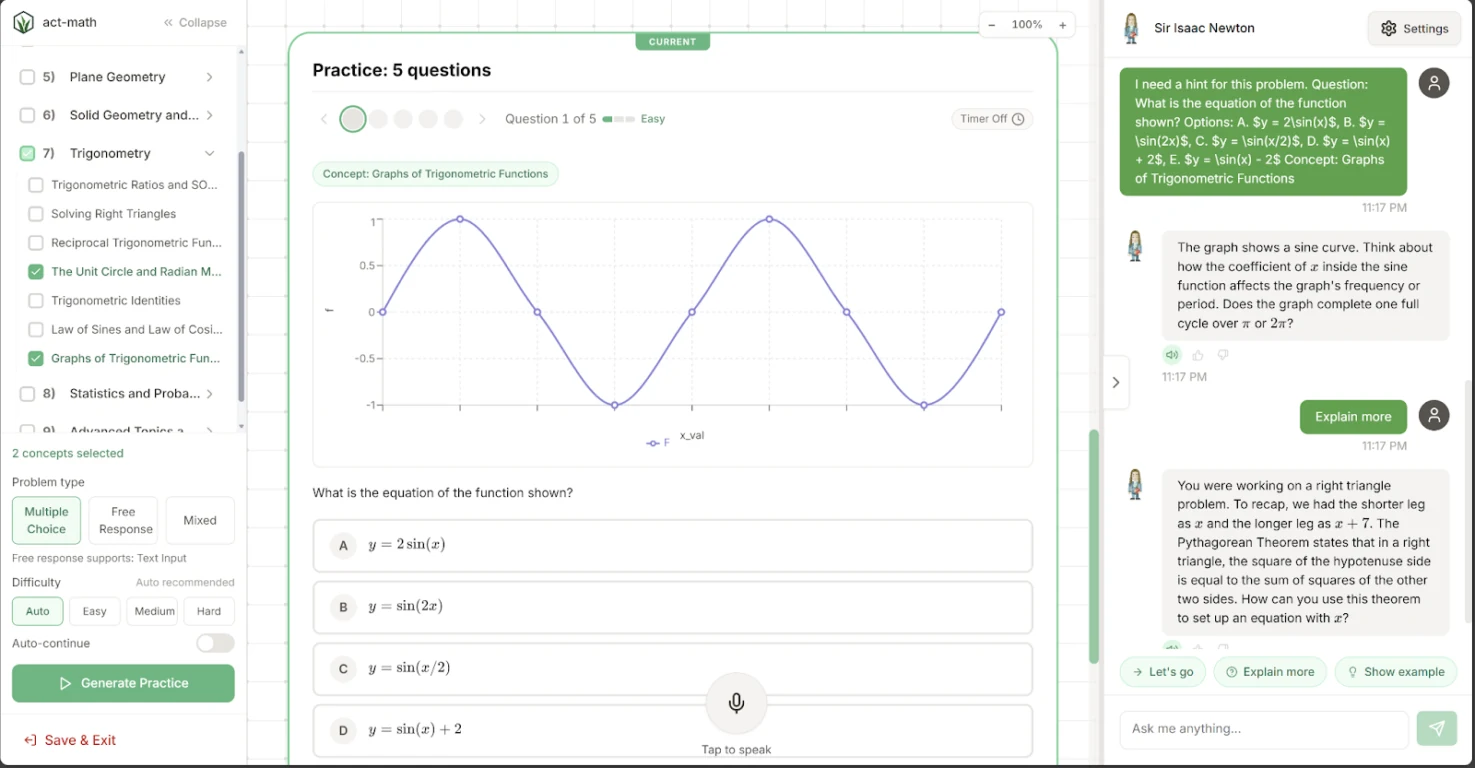
This is the structure we built Grassroot around: clear explanations, targeted concept practice, and realistic test preparation. Instead of guessing what to study next, students can focus on the areas that are most likely to move their score.
Timing Your Next Move
If you plan to retake, a six to eight week preparation window is usually a good target. That gives you enough time to review weak areas, practice consistently, and rebuild confidence without rushing into the next date unprepared.
Signing up for another test without a plan often leads to little improvement. A shorter but structured study cycle is usually better than a longer stretch of inconsistent effort.
What To Do This Week
- Review your full score report, not just the total score
- Compare your result against the score ranges of your target colleges
- Choose one section or concept cluster as your immediate priority
- Decide whether a retake makes sense based on your goals and timeline
Your SAT score is not a verdict. It is feedback. Used correctly, it tells you where you stand, where points are leaking, and what to do next. Students who improve the most are rarely the ones who panic the least. They are usually the ones who respond most strategically.
Try Grassroot now if you want guided explanations, targeted practice, and more realistic prep before your next exam.