Spring is on the horizon, and test-taking season is once again upon us. Students across the country are registering for the March SAT and April ACT, balancing schoolwork with practice tests, and asking some version of one question: how can I earn a good score?
For repeat test takers, that question becomes: how can I improve my performance? I am very familiar with that question because I ended up taking the ACT four times, not including the PreACT.
I went into my PreACT feeling confident. It was sophomore year, and I had already taken AP coursework, so I assumed I would cruise through it. My expectations reset when I saw the result: a 28.
A 28 is a solid score in absolute terms. But in the context of highly selective college admissions, it was not where I wanted to be. When I took the real ACT in junior spring, I scored a 30. Again, respectable, but not enough for my goals given that many selective schools report ACT averages above 33 (source).
What followed was a series of retakes, months of adjustments, and one final ACT in senior winter. That final run gave me a 35 composite, and with superscoring, a 36.
Looking back, the jump did not come from suddenly becoming smarter. It came from learning how the ACT works and preparing with intention.
1. Take Your First ACT Early and Treat It as a Baseline
I first encountered the ACT through Colorado's state-sponsored junior spring exam. At the time, I assumed most students took it once and moved on. I learned quickly that many classmates had already tested before that day, and they were treating the ACT as a process, not a one-shot event.
That mindset mattered. My school's exam administration was delayed when test copies were stolen before exam day, which affected testing statewide (source). Once I finally sat for the exam and got a 30, I learned an important lesson: your first score tells you where to start, not where you finish.
2. Study Your Mistakes, Not Just the Material
Early on, my strategy was simple: do more questions. This helped, but only to a point. Real progress started when I analyzed why I missed questions instead of just checking the correct answer and moving on.
My score reports became diagnostic maps. They showed where I struggled, whether it was sentence structure in English, data interpretation in Science, or pacing in Reading. I started categorizing misses by mistake type:
- Concept gap
- Misreading the question
- Falling for trap answers
- Running out of time
Once practice became diagnostic instead of repetitive, my effort became far more efficient.
3. Simulate Real Test Conditions, Even When It Is Uncomfortable
Practice only transfers if it resembles the real environment. I started recreating test-day conditions as closely as possible:
- Using the exact calculator I would use on test day
- Using the same pencils and setup each time
- Timing sections and breaks like the real ACT
- Locking my phone away until completion
- Waking up early on Saturdays
Standardized exams are not only knowledge tests. They are stamina and pacing tests. If your practice is always done under ideal conditions, performance under pressure will lag behind your true ability.
4. Learn ACT Patterns. The Exam Is More Predictable Than You Think
Science was my weakest section for a long time. Before my first ACT, I thought I might need to memorize specific science facts from class. After taking it, I realized the section mainly rewards data interpretation, pattern recognition, and inference.
Graphs repeat structures. Passage formats repeat. Question stems repeat. ACT preparation became much more effective when I focused on recognizing recurring patterns and efficient reasoning strategies rather than trying to memorize everything.
5. Improvement Is Gradual, Then Suddenly Visible
After scoring a 33 twice, I thought I might have reached my ceiling. But the plateau was not failure; it was accumulation. Small gains in pacing, recognition, and decision-making were stacking in the background.
During senior winter, I took my final ACT submission window exam and scored:
- 36 Science
- 36 English
- 35 Math
- 33 Reading
I had scored a 35 in Reading on an earlier date, and superscoring brought my composite to 36. The jump felt sudden, but it reflected months of targeted refinement.
What to Focus on This Testing Season
The biggest gains often come from changing how you practice, not just increasing volume. In practical terms:
- Treat early tests as diagnostics
- Analyze mistakes carefully
- Practice under realistic conditions
- Learn recurring test patterns
- Stay consistent through plateaus
Looking back, I now realize I was manually building systems for targeted practice, feedback, and pattern recognition. That process works, but it takes effort and structure. Traditional prep books can help, but they often leave students to guess what to do next.
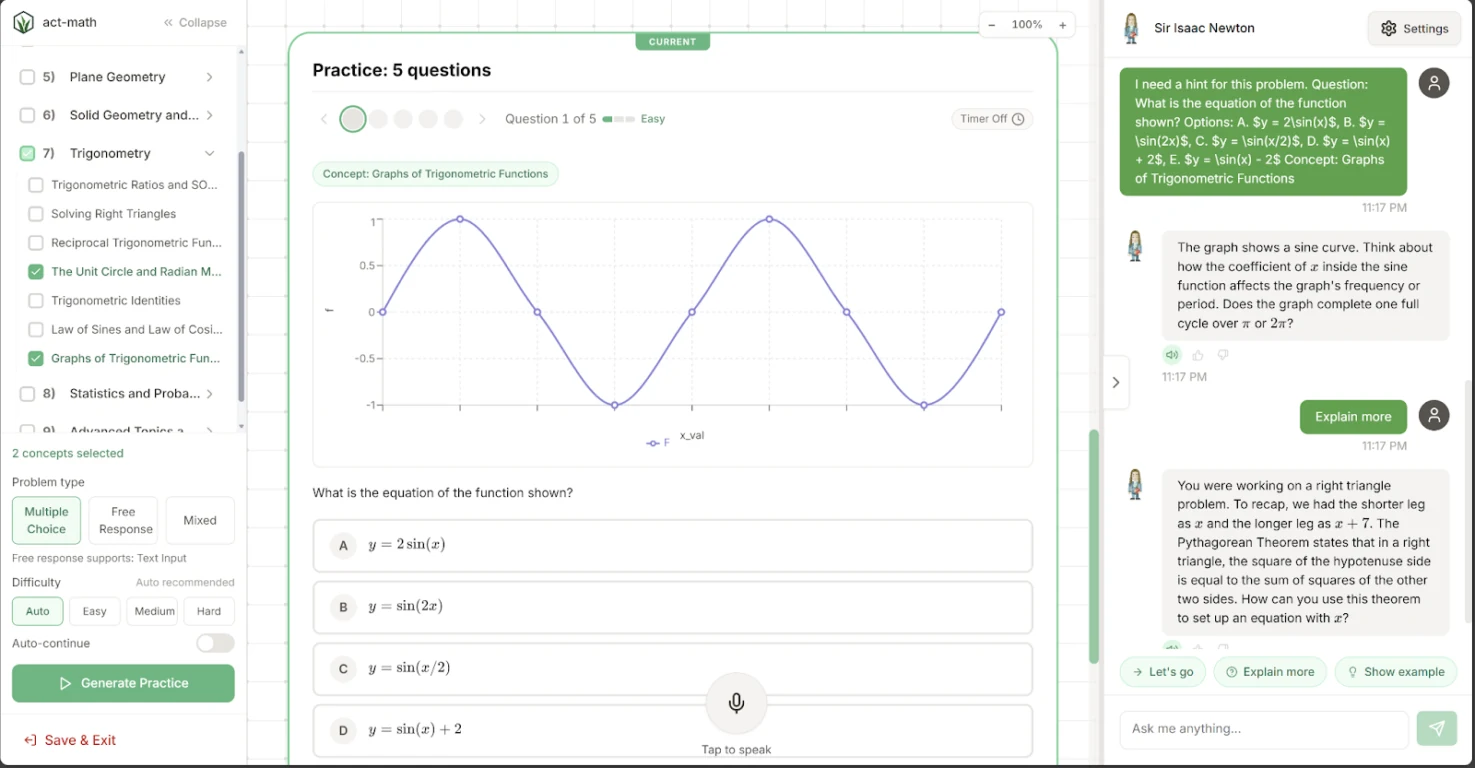
That is exactly the gap we designed Grassroot to solve: personalized practice, visual explanations, guided support, and repeated exposure to the patterns that matter most on exams like the ACT.
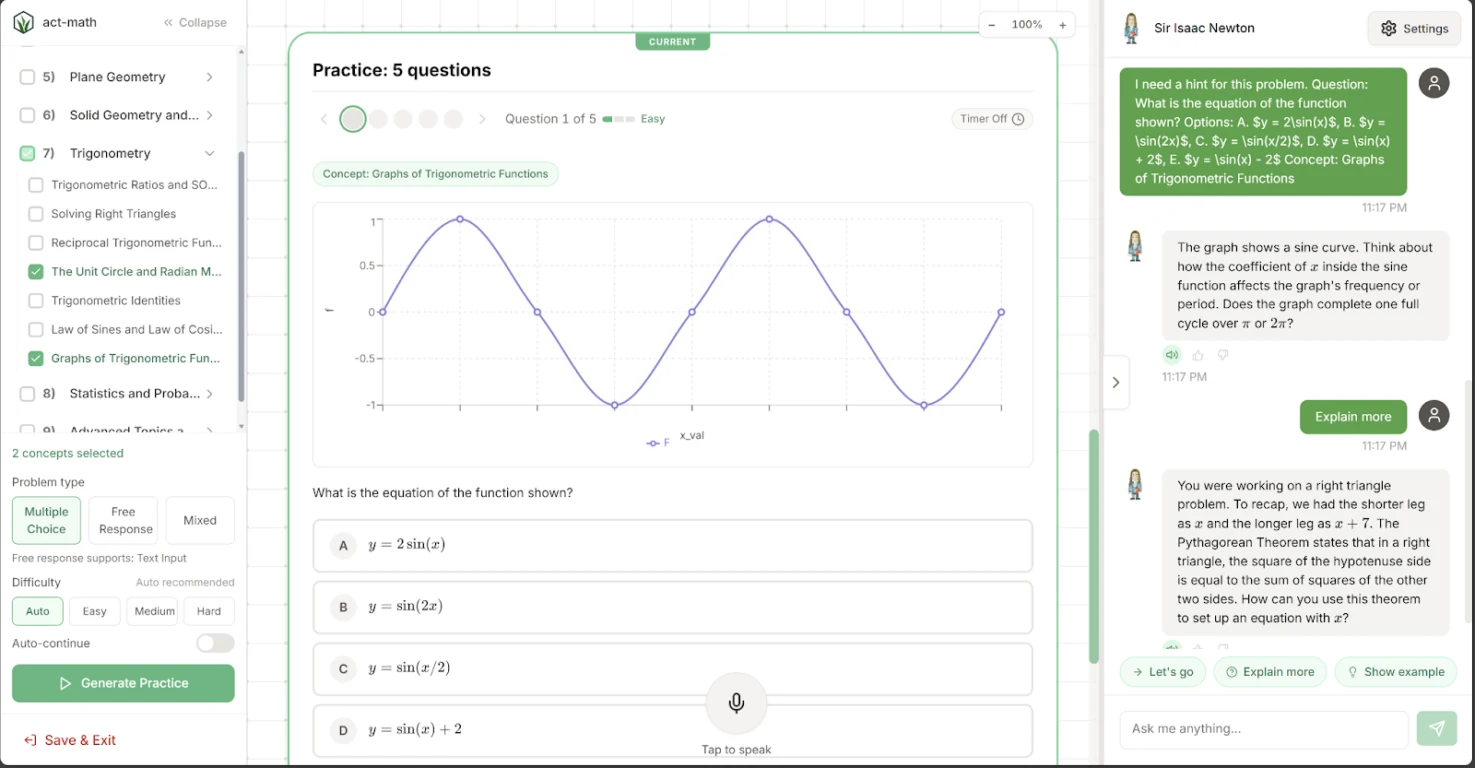
Instead of guessing what to study next, students can focus on the skills that will move their scores the most. Consistent, intentional practice can make a bigger difference than most students expect.
Explore Grassroot's ACT resources and start preparing with structured, interactive guidance.