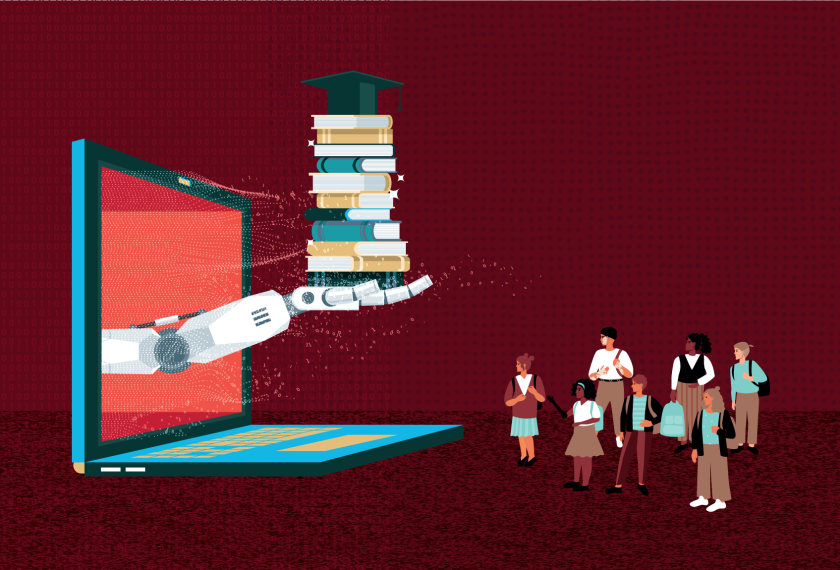
Artificial intelligence has rapidly become an integral part of how students study. Tools such as ChatGPT, Gemini, Claude, and other AI assistants explain concepts, summarize readings, and even generate practice questions for millions of anxious students around the world. For many, AI is already becoming a regular part of their learning routine.
But as adoption increases, educators and parents have asked a difficult question: is AI helping students learn, or is it simply helping them avoid learning?
The reality is more nuanced than what is depicted at either extreme. AI can indeed be a powerful learning tool when used thoughtfully, but it can also make it easier for students to take shortcuts. Understanding this balance is becoming one of the most important challenges faced by modern education.
The Rapid Rise of AI in Learning
Recent research has demonstrated just how quickly AI tools have entered classrooms around the United States. According to data cited by the College Board, 84% of high school students report using generative AI for school-related tasks such as brainstorming ideas, revising essays, or researching topics.
Other surveys show similar patterns: students increasingly rely on AI to summarize readings, search for information, or check their understanding of difficult concepts. In other words, AI is not a future technology for students, but rather an inseparable part of everyday academic life.
This rapid adoption has sparked intense discussion among educators. Some worry that AI tools may encourage cognitive offloading, where students rely on technology to do the thinking for them. Others see an opportunity to redesign education so that AI becomes a study partner rather than a shortcut machine or enabler of academic dishonesty.
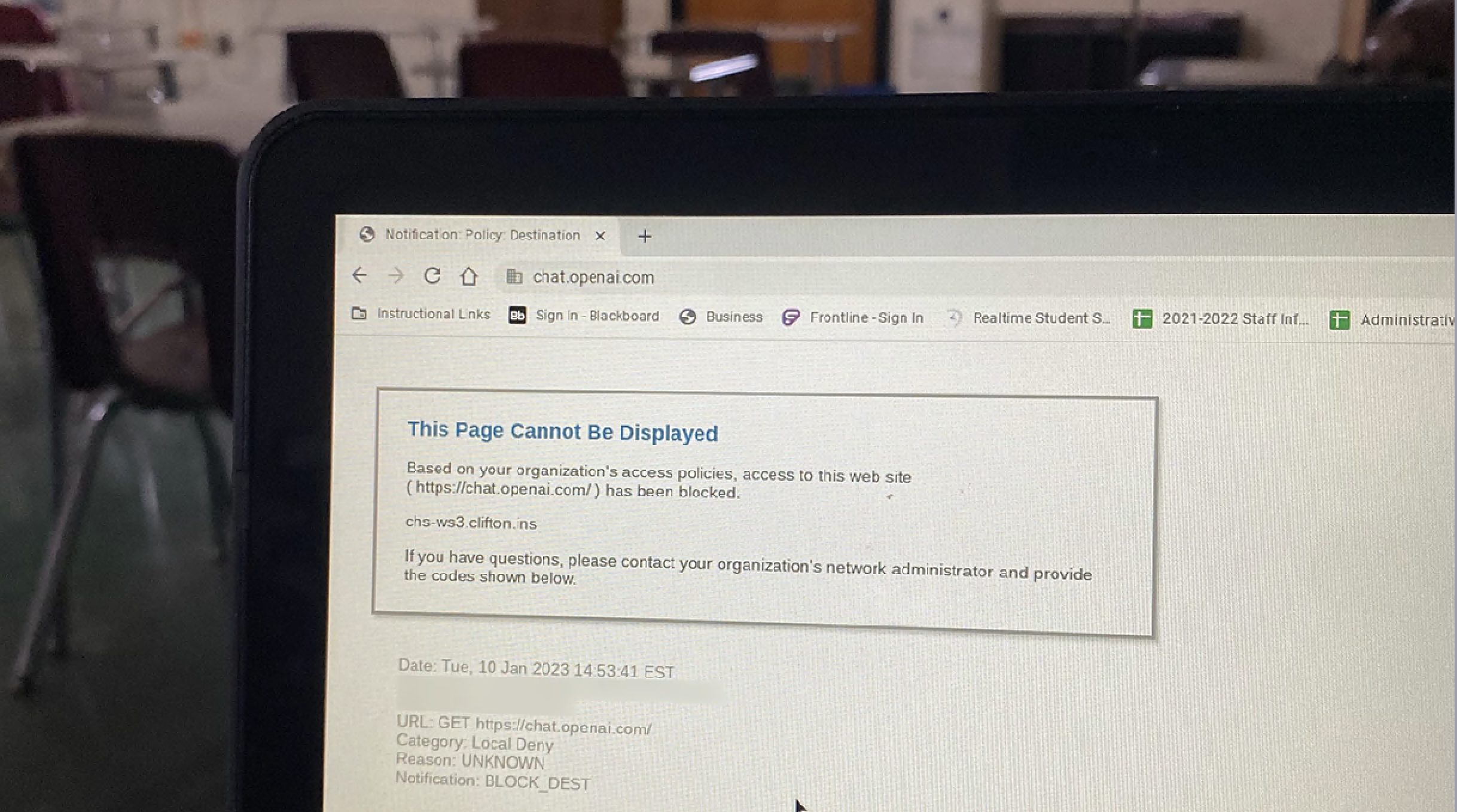
Schools around the world are now experimenting with new policies, assignments, and teaching approaches to address this challenge.
A Growing Concern Among Educators
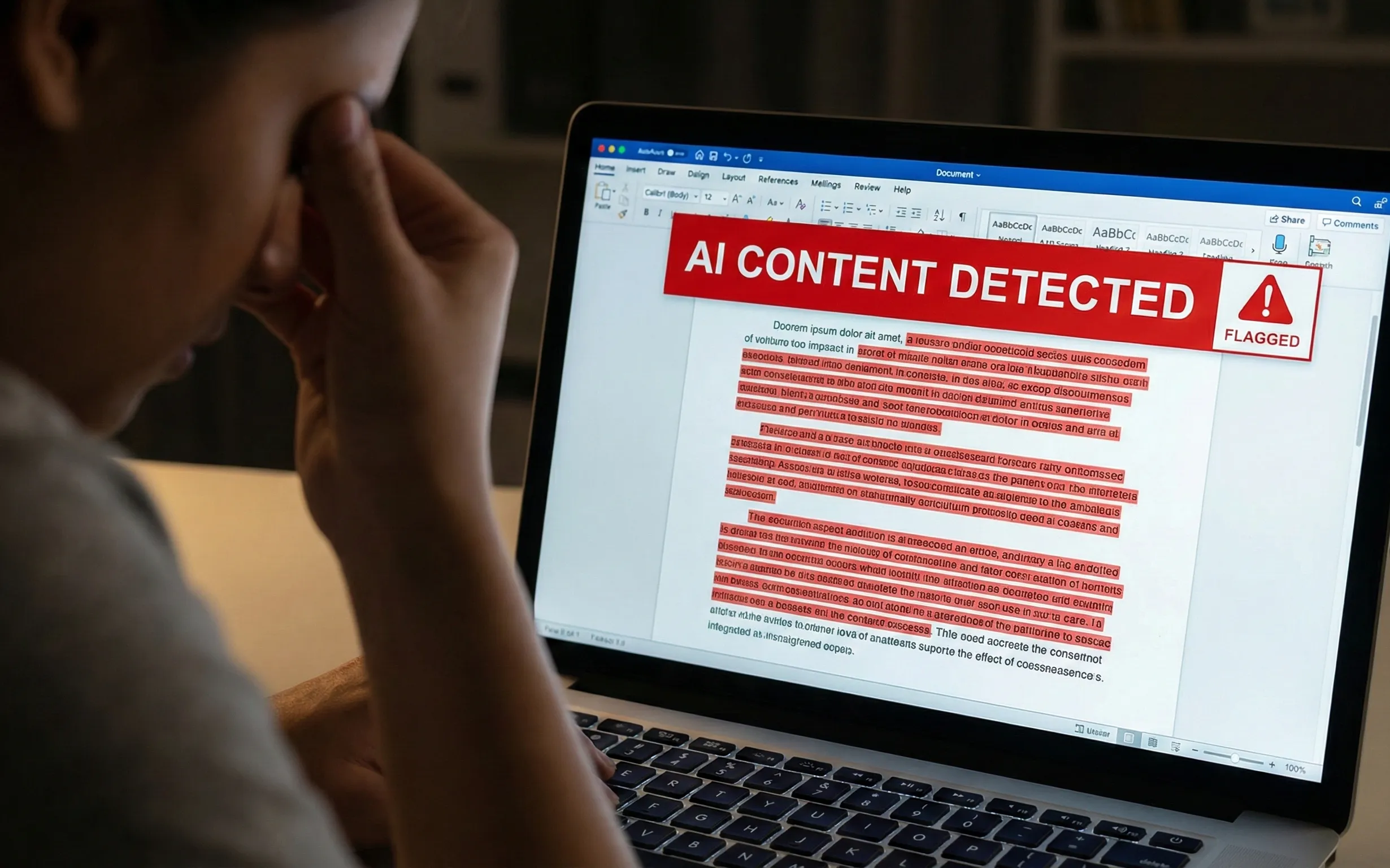
It is not just about cheating, though six in ten students believe AI-enabled cheating is a major occurrence at their school. The bigger issue is whether students are engaging deeply with the material they are being taught.
Learning requires effort. When students wrestle with a difficult math problem or try to understand a complex reading passage, they develop skills such as:
- Critical thinking
- Reasoning and problem solving
- Long-term memory formation
If AI simply generates answers instantly with little to no effort from the student, they may miss this important process of productive struggle.
At the same time, banning AI entirely is not practical. These tools are becoming part of how modern workplaces function, and many students will need to learn how to use them effectively to thrive in their careers.
As a result, many educators are shifting toward a new goal: teaching students how to use AI responsibly as part of the learning process.
What Responsible AI Learning Looks Like
When used correctly, AI can actually support deeper learning rather than replace it.
Healthy academic uses of AI often include:
- Asking AI for hints instead of full answers
- Requesting explanations for difficult concepts
- Checking understanding through follow-up questions
- Generating additional practice problems
- Reflecting on mistakes and improving reasoning
The difference lies in how the technology is used. AI should act like a thought partner who guides students toward understanding, rather than a machine that completes assignments for them.
Productive AI Learning
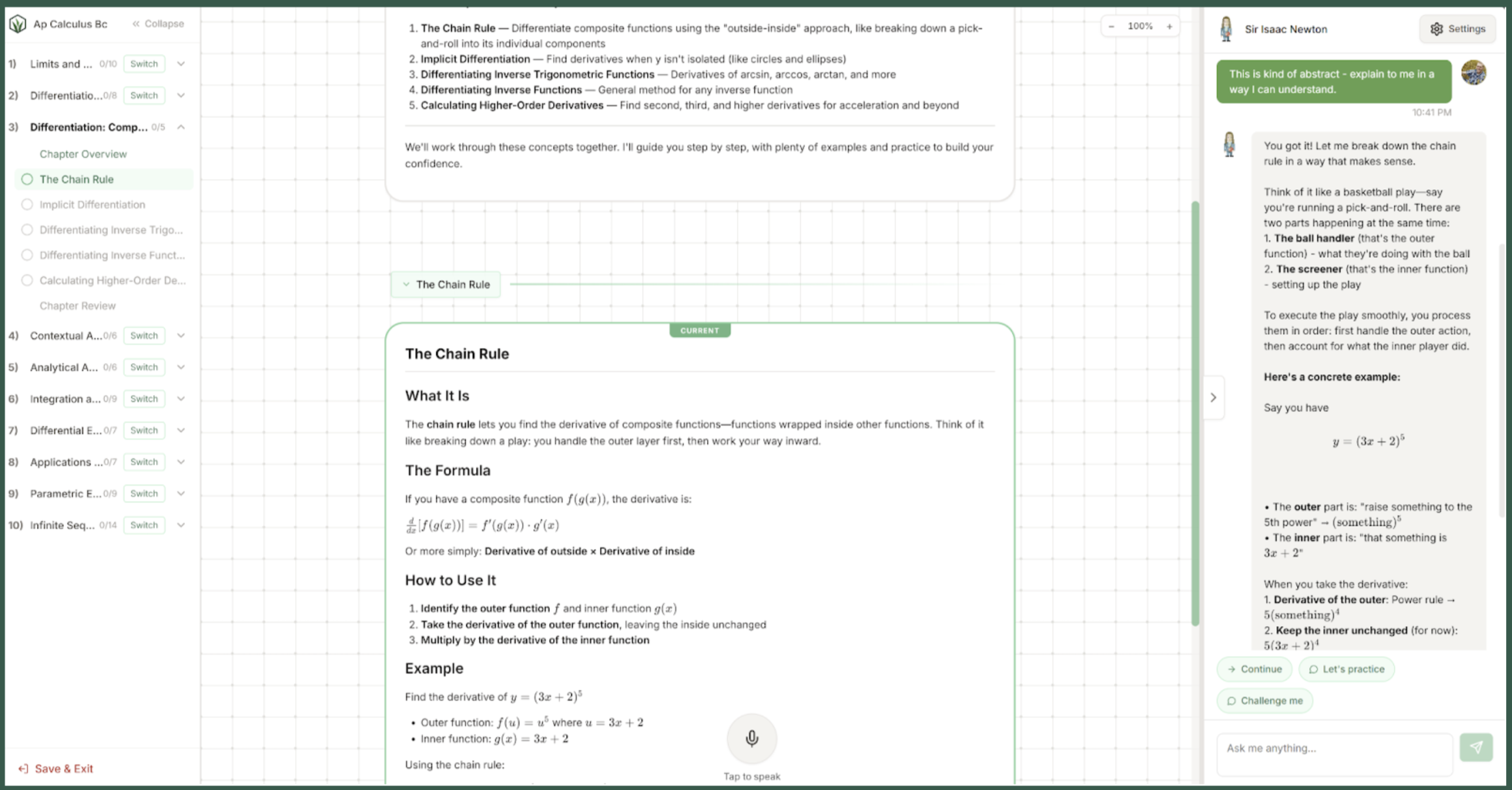
At Grassroot, we believe AI should empower students to think more deeply, not bypass the learning process entirely. Our AI learning partners are designed to act more like supportive learning companions than answer generators. That is why we have worked hard to provide:
- Always-available tutoring support: students can ask questions whenever they encounter confusion, which is often the moment when learning is most powerful.
- Judgment-free learning: students often hesitate to ask questions in class for fear of sounding behind, so we design learning sessions as safe academic spaces.
- Personalized explanations: Grassroot connects new concepts to what students already understand, helping them build stronger mental models.
- Motivation and encouragement: learning can be emotionally challenging, and Grassroot tutors provide morale boosts when students struggle so they stay engaged.
- Learning partners inspired by historical figures: students learn from mentors inspired by trailblazing figures such as Isaac Newton and Ada Lovelace, reinforcing curiosity and confidence in the process of intellectual discovery.
The Bottom Line
AI is quickly becoming part of how students learn, study, and prepare for exams. The real question is not whether students will use AI, but how they will use it.
Cheating, whether AI-enabled or not, occurs when students seek expediency over knowledge. This is precisely why teaching methodologies must convey information in ways students are most receptive to.
Students who rely on AI to replace thinking may struggle to build the skills they need for long-term success. But students who learn to use AI as a tool for exploration, explanation, and practice can gain a powerful advantage. The goal is not to remove AI from education; it is to ensure that AI supports real learning.
That is our mission at Grassroot. Start today and see for yourself.