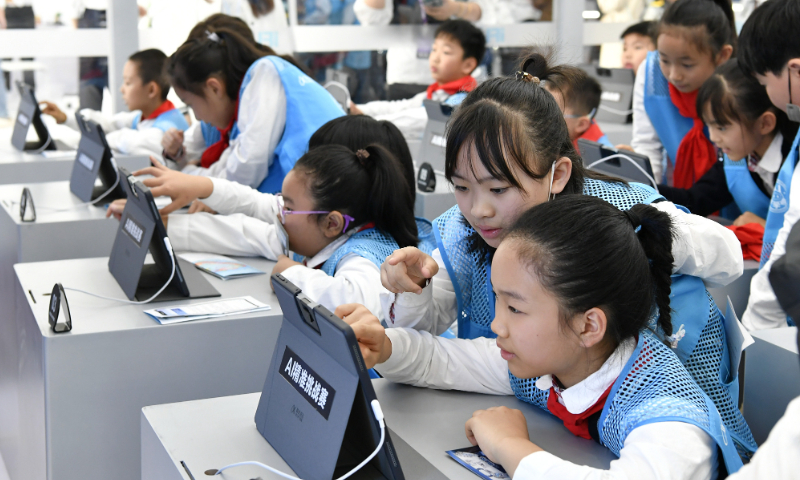
Artificial intelligence has rapidly become a daily aspect of how millions of students study. From explaining difficult concepts to summarizing readings, tools such as ChatGPT are becoming increasingly used both inside and outside the classroom.
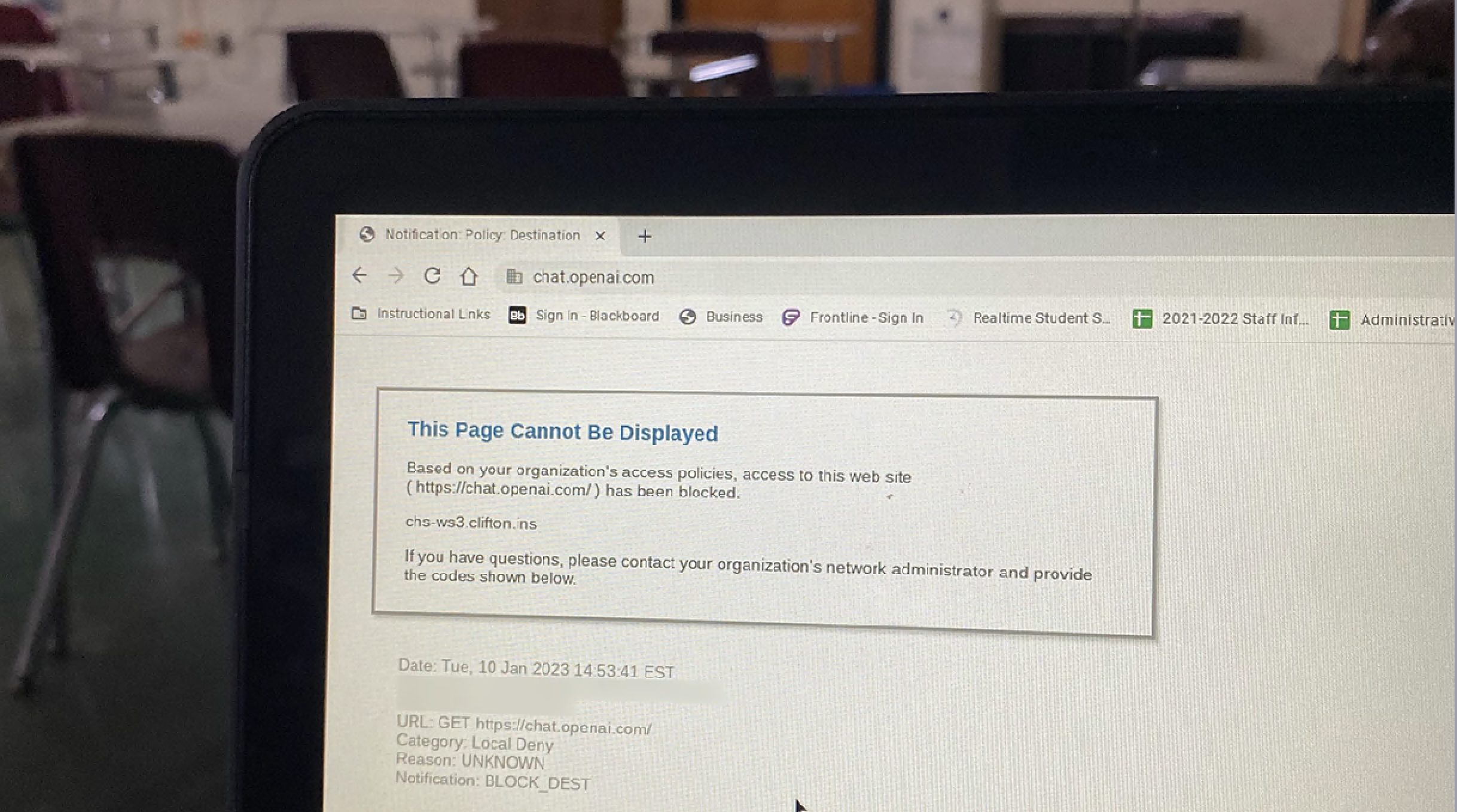
But while adoption is growing, not every school is embracing AI-powered tools. In some cases, districts are taking the opposite approach: restricting or blocking access altogether. Over the past few weeks, multiple Colorado school districts have made headlines after blocking ChatGPT on student devices, citing concerns around student safety and new platform features. The move, which reflects a growing sentiment among school districts, reveals a broader question facing educators: how should AI fit into the classroom?
Why Schools Are Taking a Step Back
The decision to block or restrict AI tools is not necessarily about rejecting the technology outright. Instead, it reflects a set of practical concerns that schools and educators seek to work through.
One of the most immediate concerns cited revolves around student safety. As AI platforms evolve, they increasingly include open-ended interactions, which can be difficult, if not impossible, for schools to monitor in real time. This forces administrators to consider how to protect students from inappropriate content or misuse.
Of course, there are also concerns around academic integrity. If students can generate responses instantly, it raises questions about how assignments should be structured. Similarly, common ways to evaluate student understanding, such as through research essays, become much trickier to apply when AI tools can conduct research and synthesize full-fledged reports in a matter of minutes.
Additionally, accuracy in AI remains a sticking point for academic purposes. While AI tools can be helpful, their results – as ChatGPT’s famous disclaimer indicates – are not always correct. Schools must therefore weigh the benefits of access against the risk of students relying on information that may be incomplete, misleading, or outright incorrect.
Taken together, these concerns illustrate why a growing number of districts are choosing to pause, evaluate, and set clearer boundaries before fully integrating AI into classrooms.
Nonetheless, AI Continues to Become Part of Everyday Learning
Even with heavier restrictions in place, AI tools are becoming more and more difficult to separate from how many students choose to learn.
Many students encounter AI not through standalone apps, but through tools they already use, including search engines, writing assistants, and study platforms. As a result, exposure to AI is no longer limited to a single website or device. Even back in 2024, studies indicated that a majority of teens have used generative AI tools, with many incorporating them into their daily schoolwork in some capacity. That number continues to grow with each passing year.
This phenomenon has created a new reality for education. Instead of asking whether students should use AI, the more practical question becomes: what role should it play in the learning process?
A Shift in How Learning Tools Are Evaluated
As AI becomes more common in academic settings, educators and parents have started to distinguish between different types of tools.
Some applications, for instance, are designed for speed and convenience, helping users quickly generate responses or complete tasks. Others are built with a different goal in mind: supporting how students engage with material over time.
This distinction is subtle but important. It reflects a broader understanding that technology in education is not just about facilitating access to information, but rather, how that information is used.
For students, this means that simply having access to AI tools available is not enough. The effectiveness of those tools depends on whether they encourage deeper engagement with material or bypass it entirely.
What This Means for Learners and Families
The growing presence of AI, combined with the cautious approach some schools are taking, highlights an important transition in education: students are now navigating a learning environment where powerful tools are available, but expectations around their use continue to evolve.
For parents, this can create uncertainty. On one hand, AI offers new ways to support learning. On the other, however, it raises valid questions about overreliance and skill development.
A practical takeaway is that how students use AI matters more than whether they use it at all. Technology that encourages active thinking, problem-solving, and reflection are more likely to support long-term learning than resources that simply provide answers and shortcuts.
Bringing Structure to AI-Supported Learning
As conversations around AI continue in school districts across the country, one area of focus is how to make AI a more productive part of studying rather than a shortcut around it.
Grassroot is built with this goal in mind because it’s not a tool, but rather, a learning partner.
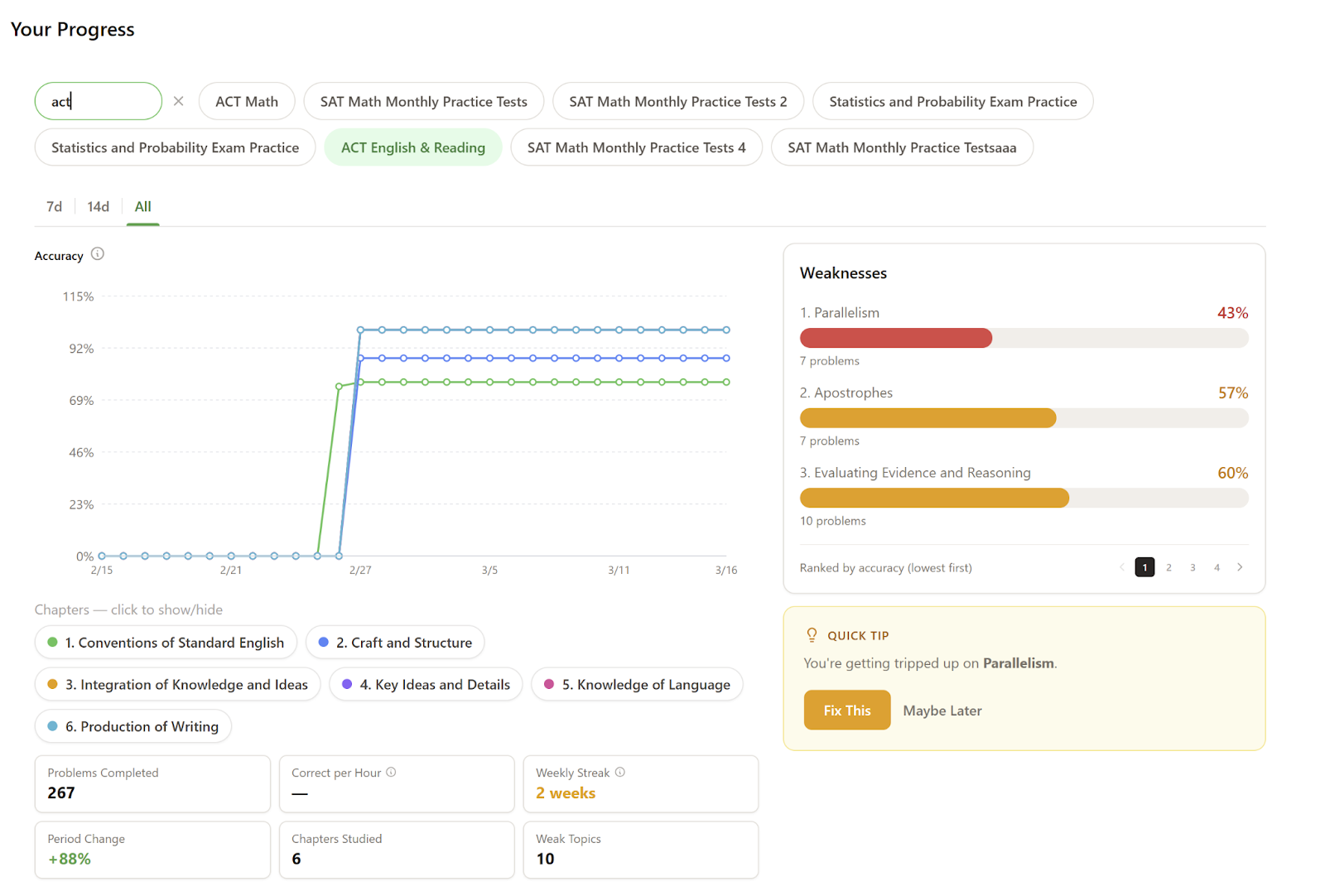
The Grassroot platform is designed to help students engage with material in a way that reinforces understanding, instead of replacing it. Here, students can explore concepts through guided explanations and then apply what they’ve learned through targeted practice. This allows them to interact with material more directly, rather than passively consuming information.
Over time, this kind of structured approach can help students build confidence in their understanding and identify areas where they need additional review.
A Changing Classroom Landscape
As schools continue to evaluate AI, it’s likely that policies will evolve alongside the technology itself. Some districts may reintroduce tools with clearer guidelines, while others might adopt new platforms designed specifically for educational use.
What seems consistent across these discussions is the recognition that AI will remain part of the learning landscape going forward. For students, the greatest opportunity lies in learning how to use these resources thoughtfully – not just to complete assignments, but to better understand the material itself.
That’s why Grassroot provides:
- Clear, step-by-step explanations of complex topics
- Opportunities to apply knowledge through practice
- Personalized feedback that helps reinforce understanding over time
For those looking to use AI as a thought partner for learning — not just to obtain answers — Grassroot’s the resource for you, so there’s no better time to start than now.