The Power of Visual Learning
There's a simple truth about how most of us learn: we remember what we can see. Cognitive science has demonstrated that information presented visually — such as when paired with language — is retained longer, understood more deeply, and recalled more accurately than language by itself. This is why diagrams are used to clarify equations, timelines can actually make the dates in history class stick, and animations turn abstract processes into something graspable.
In many ways, filmmaking represents one of the most sophisticated learning tools ever developed. Films don't simply tell stories; they externalize thought. Film as a medium can turn ideas, emotions, and causal chains into sequences that viewers can follow visually. When done well, film reduces cognitive load and guides attention, allowing viewers to build mental models of the stories they consume without them even realizing.
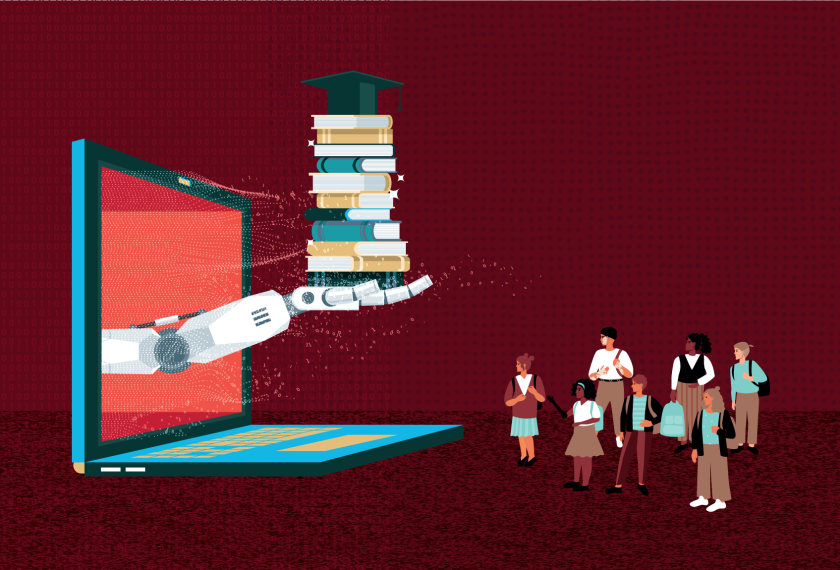
It should come as no surprise that some of the most interesting use cases of AI today have emerged from film and visual storytelling. As creators experiment with AI as a tool for generating and shaping images, they are implicitly testing a larger question – one that also happens to matter fundamentally in education: how can technology help us make ideas clearer, not just faster?
AI in Film: a New Frontier
One of the most talked-about developments in the entertainment world today centers on filmmaker Darren Aronofsky and his production studio, Primordial Soup, a creative venture that explores how generative AI can expand the possibilities of visual storytelling. Primordial Soup's collaboration with Google DeepMind is being applied into practice through projects such as Ancestra, a short film that blends live-action elements with AI-generated visuals, which premiered at the Tribeca Festival last year.
Late in January, Primordial Soup launched an episodic series titled On This Day… 1776 on the YouTube channel of Time Magazine. Leveraging AI to generate visuals alongside traditional voice acting and narrative structure, the series depicts the historical context around the American Revolution ahead of the 250th anniversary of the event's occurrence.
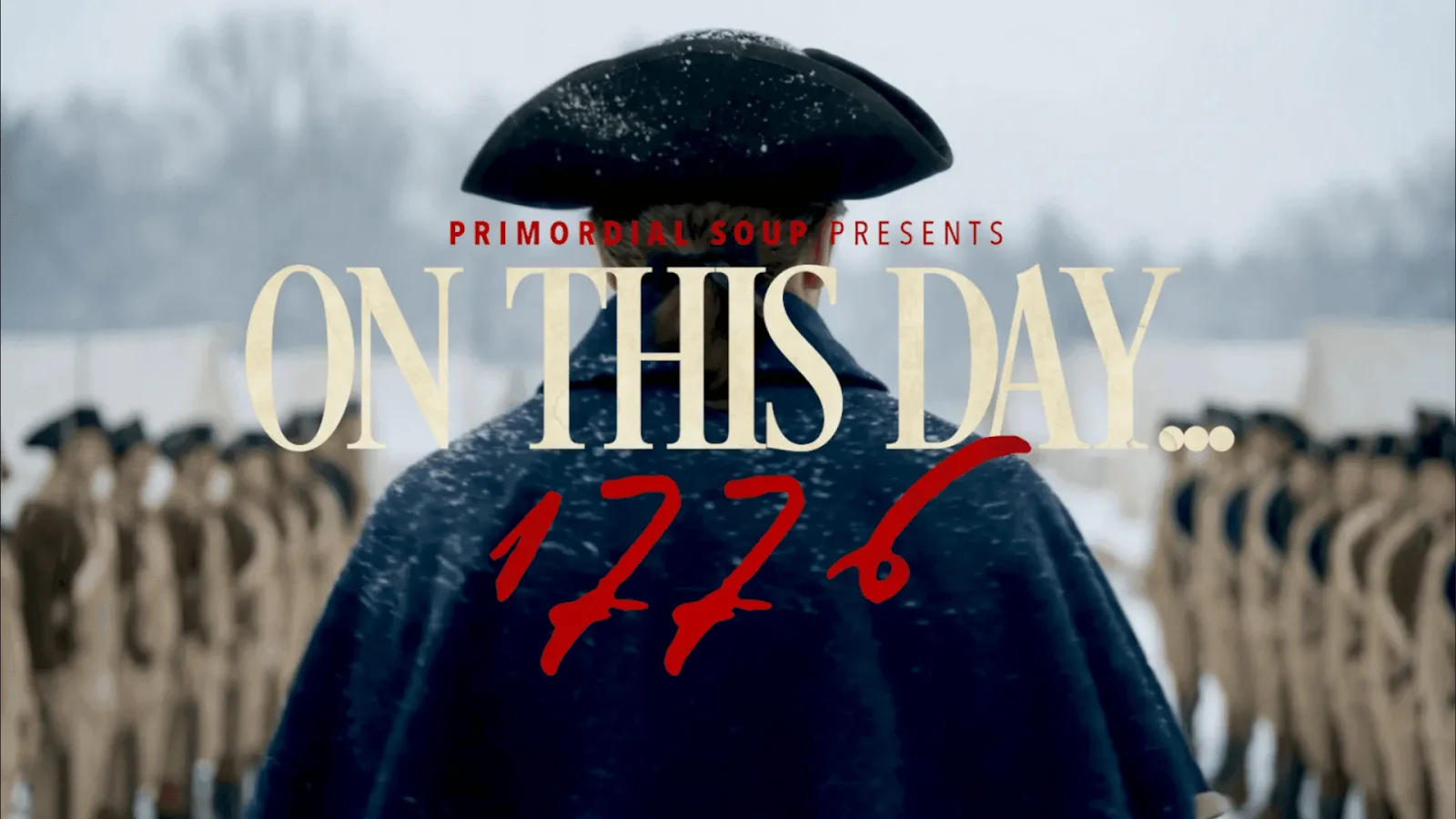
Despite making headlines, the work is far from universally acclaimed. Countless critics have panned On This Day… 1776 as displaying uncanny aesthetics and lifeless AI visuals. This, they argue, is evidence of the current limits of the technology, even as the project signals how rapidly AI tools are being integrated into creative workflows. What's missing from this art, they point out, is undeniably human.
On a related note, voices across Hollywood have weighed in on what AI can and cannot do in the creative process. Famed actor and filmmaker Ben Affleck has argued that AI is unlikely to replace the core craft of storytelling. Affleck views AI as a tool that may assist with technical or repetitive aspects of production, but maintains that AI lacks the nuance and judgment exhibited by experienced human artists. Many others in the creative community insist that it's only a matter of time before AI can adequately perform such functions.
Whatever position one holds, it is clear that the tension in this debate centers on a core reality: in art, the value of a tool comes not from replacing human insight, but from making thought visible in new ways. In no medium is this more apparent than cinema, in which visuals give life to abstract ideas — emotions, motivations, and context that can't be captured by words alone. A film storyboard, a montage sequence, or an animated reenactment all allow viewers to see concepts instead of just hearing them. And it is this mechanism of internalization that can enable AI to supercharge learning in ways that were never before possible.
AI in Visual Learning; Facilitating Retention
Drawing on this principle in education, research has demonstrated that learners retain and transfer knowledge more effectively when material is represented visually alongside text or verbal explanations; a phenomenon known as the multimedia effect in learning science. This is where the potential of AI as a learning partner becomes especially meaningful.
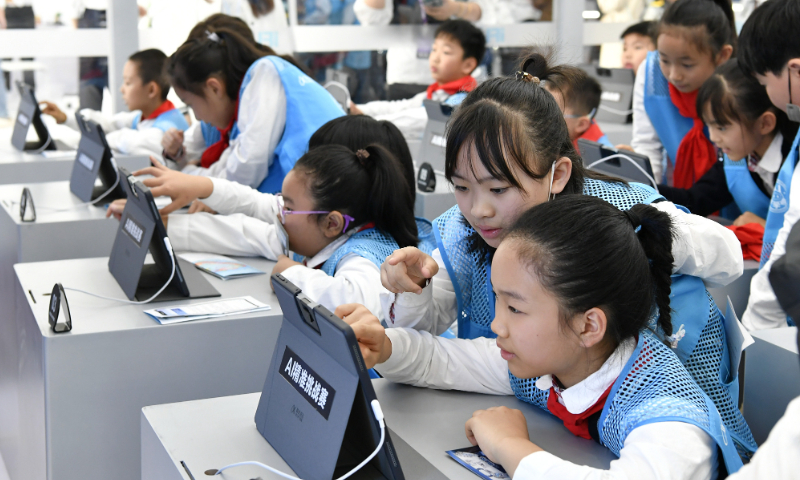
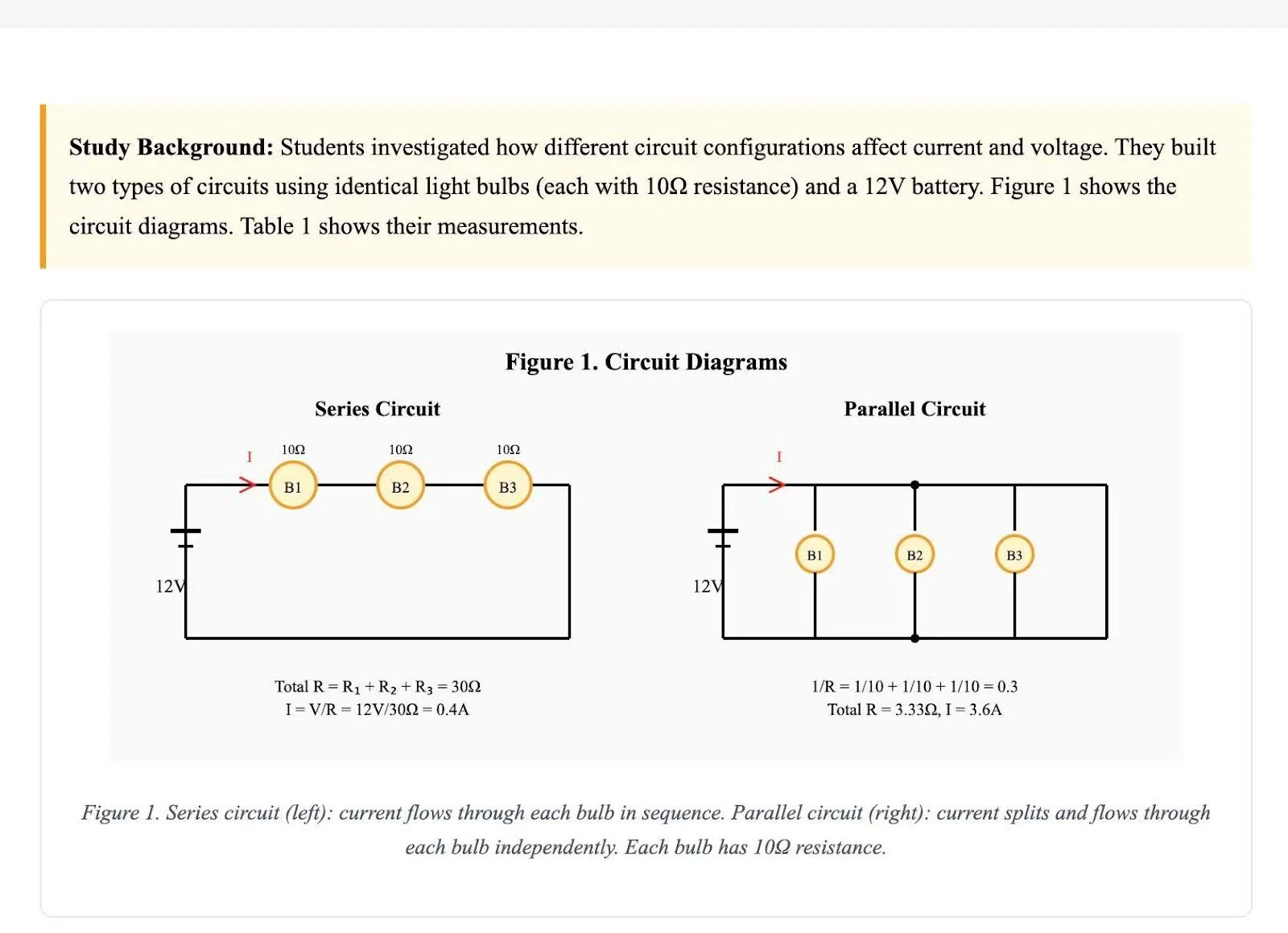
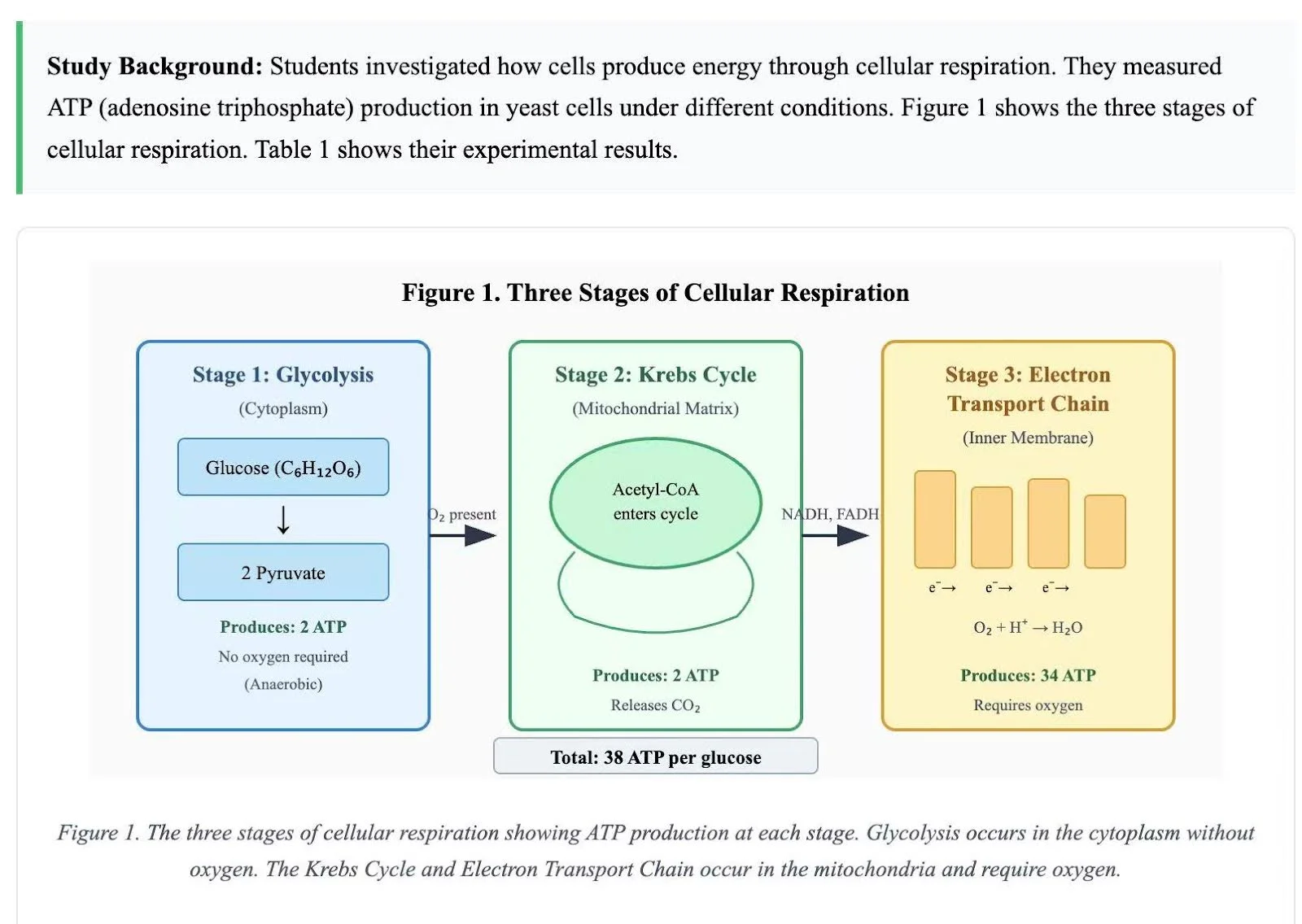
At Grassroot, our platform and learning partners don't exist to replace teachers or simplify answers; they help students see underlying ideas. When a student works through a practice problem, Grassroot can generate visual representations that support conceptual reasoning: diagrams that unpack physics concepts, animated graphs that illustrate complex functions, and step-by-step breakdowns of biological processes that might otherwise remain abstract. These visuals act much like film sequences do in storytelling: by placing learners inside the idea instead of outside it.
In an era in which technology is rapidly reshaping how we create and how we learn, the real opportunity lies in harnessing AI to amplify human thinking, not automate it. After all, the reception to On This Day… 1776 illustrates a widespread acknowledgement that AI is best utilized when complementing human ingenuity, not replacing it. That's why Grassroot's mission is not to develop a passive experience in which users zone out like they're watching a popcorn movie; rather, Grassroot seeks to bring learners directly into the stories of learning, stories in which they are the main characters. Here, students are empowered to uncover patterns, ask deeper questions, and construct understanding that sticks.
Whether you're curious about the future of storytelling or passionate about improving learning outcomes, today's rapid developments in AI invite us to rethink not what machines can replace, but what they can reveal.
Start learning with Grassroot yourself, and see where your learning story takes you.
Sources
- Forbes: Meta AI Stalk Hollywood as AWE Opens and Tribeca, Cannes Spotlight XR
- TechRadar: Darren Aronofsky's AI History Series Hits YouTube
- Ars Technica: Why Darren Aronofsky Thought an AI-Generated Historical Docudrama Was a Good Idea
- Times of India: Ben Affleck Says AI Won't Replace Hollywood Writers
- Mayer, Richard E. "Multimedia learning." Psychology of learning and motivation. Vol. 41. Academic Press, 2002. 85-139.